Transformational leadership, work-family conflict and enrichment, and commitment
Pages 339 à 362
Citer cet article
- GILLET, Nicolas,
- FOUQUEREAU, Evelyne,
- HUYGHEBAERT, Tiphaine
- et VANDENBERGHE, Christian,
- Gillet, Nicolas.,
- et al.
- Gillet, N.,
- Fouquereau, E.,
- Huyghebaert, T.
- et Vandenberghe, C.
https://doi.org/10.3917/th.794.0339
Citer cet article
- Gillet, N.,
- Fouquereau, E.,
- Huyghebaert, T.
- et Vandenberghe, C.
- Gillet, Nicolas.,
- et al.
- GILLET, Nicolas,
- FOUQUEREAU, Evelyne,
- HUYGHEBAERT, Tiphaine
- et VANDENBERGHE, Christian,
https://doi.org/10.3917/th.794.0339
I. Introduction
1 Transformational leadership has been a popular topic of research for more than 20 years (e.g., Avolio & Bass, 2002; Walumbwa, Christensen, & Muchiri, 2013). Transformational leadership refers to leaders’ behaviors that go beyond transactions with followers, increase followers’ awareness of, and interest for, valued outcomes, and encourage them to perform beyond expectations and transcend individual interests (Bass, 1985; Bycio, Hackett, & Allen, 1995). Managers who adopt transformational leadership behaviors might be able to empower employees, and instill a sense of commitment (Korek, Felfe, & Zaepernick-Rothe, 2010). Work-family outcomes have rarely been examined in connection to leadership. However, Hammond, Cleveland, O’Neill, Stawski, and Tate (2015) recently showed that transformational leadership was positively and negatively correlated to work-family enrichment and work-family conflict, respectively. There is also evidence that servant leadership is positively related to work-family enrichment (Zhang, Kwan, Everett, & Jian, 2012). Work-family conflict has been defined as “a form of interrole conflict in which the role pressures from the work and family domains are mutually incompatible in some respect” (Greenhaus & Beutell, 1985, p. 77) while work-family enrichment has been conceived as a positive mood or a sense of fulfillment at work that helps an employee be a better family member (Carlson, Kacmar, Wayne, & Grzywacz, 2006).
2 Although past studies have investigated the direct effects of transformational leadership on commitment (e.g., Joo, Yoon, & Jeung, 2012; Walumbwa, Orwa, Wang, & Lawler, 2005), a few recent studies have begun to identify the mediators in these relationships, in response to the repeated calls for identifying the psychological mechanisms through which transformational leaders exert their influence (e.g., Avolio, Zhu, Koh, & Bhatia, 2004). This study contributes to this research avenue by exploring the idea that transformational leadership would relate to organizational commitment through improving work-home interactions. More specifically, building on previous work that has theorized transformational leadership’s effects on well-being (e.g., Arnold, Turner, Barling, Kelloway, & McKee, 2007), we examined how work-family conflict and enrichment can partly mediate the effects of transformational leadership on organizational commitment, which to our knowledge, has not been accomplished in previous research. Our argument is that because they are able to connect individuals’ needs to those of the organization, transformational leaders can reduce the conflict between work and family and enrich both domains, and through that mechanism indirectly enhance employees’ organizational commitment. Finally, this study also accounts for transformational leadership’s mediated relationship to multiple components of commitment, as captured through the three-component model of commitment (Meyer & Allen, 1991).
3 In the next sections, we first review research on the links between transformational leadership and work-home interaction, then on the relationships between work-home interaction and organizational commitment, and finally on the direct and indirect effects of transformational leadership on organizational commitment through work-home interaction.
I.1. Transformational leadership and Work-Home Interaction
4 Nowadays, most workers have employed spouses and increasingly have to conciliate the goals and demands related to their families and careers, and often their spouses’ careers as well (Moen & Sweet, 2002). Therefore, issues surrounding the occurrence and management of work-family conflict have become key (Radcliffe & Cassell, 2015). Work-family conflict is influenced by numerous individual, organizational, and managerial factors such as work role stressors, work role involvement, work social support, job characteristics, and personality (e.g., Allen et al., 2012; Michel, Kotrba, Mitchelson, Clark, & Baltes, 2011). Transformational leadership may also influence work-family conflict (Hammond et al., 2015). Indeed, transformational leaders provide explicit and personalized support to employees (Wang & Walumbwa, 2007). For instance, they can respond positively to requests for accommodating employees’ family obligations. As these leaders are attentive to employees’ needs but also wish to create conditions that allow employees to develop their full potential for contributing to the organization’s goals, they should work at maximizing the compatibility of work and family demands. Such support enables employees to organize their work days in order to facilitate after school activities and enjoy free time on the weekends with the family. In this case, the demands of work and family roles are made compatible, and the participation in either the work or family role is easier (Greenhaus & Beutell, 1985). In other words, transformational leaders would prevent work-family interference from occurring as their supportive action would reduce conflicts among the requirements of multiple roles (Baruch & Barnett, 1986).
5 Moreover, transformational leaders also understand when employees have personal or family issues that affect their work and care about the effects work demands can have on subordinates’ personal life. Thus, employees may feel comfortable bringing up personal or family issues with their supervisor when they perceive him or her to be a transformational leader (Thompson & Prottas, 2006). That is, transformational leaders can reduce the total demands associated with the work role to allow individuals to perform their multiple roles adequately or comfortably (Voydanoff, 2002). Finally, transformational leaders may also increase the level of co-worker support, which is suggested to have a significant impact on workers’ ability to combine work and family demands (Grzywacz & Marks, 2000).
6 In sum, transformational leaders provide resources for their subordinates, thus lessening stressors like work-family conflict (Hobfoll, 2002). This is consistent with the strain hypothesis (Goode, 1960) according to which multiple role demands result in role strain, but resources (e.g., transformational leadership) that enable individuals to handle demands reduce strain resulting from exposure to stressors (i.e., work-to-family conflict). Thus, we propose the following hypothesis.
7 Hypothesis 1a: Transformational leadership is negatively related to work-family conflict.
8 Involvement in multiple roles does not necessarily tax workers’ time and energy, but instead may have a positive influence on well-being. Indeed, several researchers examining the benefits of multiple role memberships have documented the positive synergies between work and family (e.g., Greenhaus & Powell, 2006). Accordingly, organizational resources offered that help employees manage the work-family interface can enrich the ability of individuals to accomplish their goals. Prior studies showed that resources in the employment domain (e.g., higher job rewards) were positively associated with work-family enrichment (e.g., Zhou & Buehler, in press). In the present research, we examined the links between transformational leadership and work-family enrichment. The enhancement hypothesis (Marks, 1977), which is a dominant framework in the work-family literature, highlights a primary way through which subordinates can benefit from exposure to transformational leadership.
9 Specifically, the enhancement hypothesis suggests that resources in one role can foster gains that facilitate performance in another role (i.e., work-to-family enrichment; e.g., Grzywacz, Carlson, Kacmar, & Wayne, 2007). In other words, the generation of resources is a key driver of the enrichment process (Friedman & Greenhaus, 2000). There is considerable evidence that transformational leadership is positively associated with various well-being indicators such as vitality (e.g., Nielsen & Daniels, 2012) and positive affect (e.g., Arnold et al., 2007), and more generally with personal resources (Hobfoll, 2001). Therefore, drawing upon work-family enrichment theory, which argues that attitudes and behavior in the work domain can be regarded as resources transferable to the family domain (Greenhaus & Powell, 2006), one may expect that when an employee experiences high levels of well-being at work (because he or she works under the supervision of a transformational leader), he or she is also likely to feel involved as a family member. Based on the preceding discussion, we propose the following hypothesis.
10 Hypothesis 1b: Transformational leadership is positively related to work-family enrichment.
I.2. Work-home interaction and organizational commitment
11 Numerous studies have examined the effects of work-home interaction on organizational commitment (e.g., Meyer et al., 2002). However, the magnitude of the effect varies across commitment components (Allen & Meyer, 1996). Within the well-known three-component model, affective commitment is characterized by an emotional attachment to the organization, normative commitment reflects a moral obligation to remain with the organization, and continuance commitment refers to an attachment based on instrumental considerations (e.g., Desrumaux, Leoni, Bernaud, & Defrancq, 2012). Based on the findings of McGee and Ford (1987), continuance commitment has been reconceptualized as a two-dimensional construct, with one dimension reflecting perceived lack of employment alternatives (i.e., few alternatives commitment) and the other reflecting the sacrifices associated with leaving (i.e., perceived sacrifice commitment).
12 Employees enjoying work-family enrichment are likely to return the favor to the organization through organizational commitment (Wayne, Randel, & Stevens, 2006). In other words, the relationship between work-family enrichment and affective commitment is interpretable from a social exchange theory perspective (e.g., Battistelli, Galletta, Portoghese, Pohl, & Odoardi, 2013; Cropanzano & Mitchell, 2005). More specifically, when employees perceive that their organization helps them conciliate work and family roles, they enjoy a mutually beneficial relationship with the organization. Hence, employees may feel particularly compelled to develop positive attitudes towards the organization such as affective commitment (for a meta-analysis, see McNall, Nicklin, & Masuda, 2010). Based on the norm of reciprocity (Gouldner, 1960), such positive treatment from the organization may also create a sense of indebtedness, leading to normative commitment. Empirical evidence suggests that greater work-to-family enrichment fosters affective commitment (Odle-Dusseau, Britt, & Greene-Shortridge, 2012). Related research also indicates that work-to-family enrichment can result in a sense of loyalty to the organization (Allen, Herst, Bruck, & Sutton, 2000), which is close to normative commitment’s meaning. Thus, we propose the following hypothesis.
13 Hypothesis 2a: Work-family enrichment positively relates to affective and normative commitment.
14 Work-family enrichment may also increase the cost of organizational membership. Indeed, work-family enrichment may foster the perception that leaving the organization implies considerable sacrifices. When seeking external opportunities, individuals are likely to consider the resources that might be available in another organization (e.g., level of salary) and resources that may not be readily available elsewhere (e.g., tenure benefits, ability to conciliate work and family demands). This may increase the sacrifice associated with leaving (Crossley, Bennett, Jex, & Burnfield, 2007) because individuals strive to retain resources and avoid the loss of valued resources (Hobfoll, 2002). Such sacrifice may reduce the willingness to seek employment in another organization (Mallol, Holtom, & Lee, 2007). Hence, work-family enrichment should be associated with higher levels of perceived sacrifice commitment owing to the perception that relevant resources gained from staying with one’s organization will not be available elsewhere. This leads to the following hypothesis.
15 Hypothesis 2b: Work-family enrichment positively relates to perceived sacrifice commitment.
16 Besides the expected relationship between work-family enrichment and affective, normative, and perceived sacrifice commitment, it is likely that the other component of work-family interaction (i.e., work-family conflict) is positively related to few alternatives commitment. Indeed, conflicts between work and family lives threaten one’s self-concept (Thoits, 1991). Because of the salience of the family role for many employees, they may engage in efforts to reduce the imposed threat to the self-concept that work-family conflict engenders. One mechanism for coping with such conflict would be to rationalize that one remains in the job out of necessity (Casper, Harris, Taylor-Bianco, & Wayne, 2011). That is, employees may cope with work-family conflict by entertaining the belief that they remain because they have few options. Consistent with this view, Lambert, Kelley, and Hogan (2013) showed that increased work-to-family conflict is associated with higher continuance commitment (see also Streich, Casper, & Salvaggio, 2008). In a meta-analysis, Meyer et al. (2002) also found that work to family interference was positively correlated with continuance commitment. Thus, the following hypothesis is proposed.
17 Hypothesis 2c: Work-family conflict positively relates to few alternatives commitment.
18 The links between work-family conflict and affective, normative, and continuance commitment are well-documented (see Meyer et al., 2002). A meta-analysis by McNall et al. (2010) also provides support for the positive relationship between work-family enrichment and affective organizational commitment. However, to the best of our knowledge, no study has focused on the links between work-family conflict and one of the two subcomponents of continuance commitment, namely few alternatives commitment. In addition, limited research has examined how work-family enrichment relates to normative and perceived sacrifice commitment. Hence, the present research fills an important void and contributes to the literature on the outcomes of work-family conflict and enrichment.
I.3. Indirect effects of transformational leadership on organizational commitment
19 As mentioned above, the main purpose of the present research is to contribute to addressing an important issue about the explanatory mechanisms through which transformational leaders might promote employees’ organizational commitment. Based on the above discussion, we suggest that work-family enrichment will partially mediate a positive relationship between transformational leadership and affective, normative, and perceived sacrifice commitment, and that work-family conflict will partially mediate a negative relationship between transformational leadership and few alternatives commitment. Indeed, we argue that transformational leaders will facilitate the integration of work and family lives by emphasizing both employees’ needs and well-being and organizations’ interests. Hence, transformational leaders can reduce the conflict between work and family and enrich both domains (Hammond et al., 2015), and through that mechanism, indirectly enhance employees’ organizational commitment. More specifically, transformational leadership should be negatively associated with work-family conflict as workers affiliated with transformational leaders are thought to develop skills that facilitate solving the conflict between work and family demands, and feel comfortable bringing up family issues. In turn, work-family conflict should positively relate to few alternatives commitment as workers experiencing work-family conflict have a diminished sense of confidence in regard to their employability (i.e., they believe that they won’t be able to find alternative employment). Moreover, transformational leadership should be positively linked to work-family enrichment, which in turn should lead to affective, normative, and perceived sacrifice commitment. Therefore, we propose the following mediation hypotheses.
20 Hypothesis 3a: Work-family enrichment mediates a positive relationship between transformational leadership and affective, normative, and perceived sacrifice commitment.
21 Hypothesis 3b: Work-family conflict mediates a negative relationship between transformational leadership and few alternatives commitment.
I.4. Residual effects of transformational leadership on organizational commitment
22 In addition to indirect relationships between transformational leadership and commitment components through work-family enrichment and work-family conflict, it is likely that such leadership behaviors also exert direct effects on employee commitment. Both theory and empirical evidence suggest residual associations between transformational leadership and commitment. For example, Korek et al. (2010) found a positive relationship between transformational leadership and affective commitment among chief executive officers and subordinates of small German businesses. Similarly, Jackson, Meyer, and Wang (2013) showed, in their meta-analysis, that transformational leadership was positively associated with affective and normative commitment. These findings may be explained by the fact that transformational leaders are closely engaged with subordinates (Avolio & Bass, 2002). Moreover, they inspire them to go beyond their self-interests and act for the good of the organization (Bass, 1985). Thus, they facilitate the alignment of followers’ identities with the goals of the collective (i.e., affective commitment) and instill feelings of respect and loyalty (i.e., normative commitment) through emphasizing the importance of group values.
23 Transformational leaders contribute to enhancing employee self-development through considering employees’ needs (i.e., individualized consideration), stimulating employees’ creative thinking (i.e., intellectual stimulation), and by providing them with a sense of meaning at work (e.g., idealized influence) (Bycio et al., 1995). These contributions and actions should be perceived as indications of valuable gifts from the organization (the leader acting on behalf of the organization). From a social exchange theory perspective (Cropanzano & Mitchell, 2005), it is likely that employees will then reciprocate this positive treatment by developing an emotional attachment to their organization (i.e., affective commitment) (Tse, Huang, & Lam, 2013). Similarly, such positive treatment by the leader may instill a need to return the favor, which is the basis of normative commitment (Meyer & Allen, 1991; Wiener, 1982). That is, based on the norm of reciprocity (Gouldner, 1960), these actions from the leader may create a sense of indebtedness among employees, leading to normative commitment. Thus, aside from actions on work-family integration, transformational leadership instills a sense of self-development and growth among employees, which can ultimately lead to affective and normative commitment through social exchange and reciprocation mechanisms. We thus propose the following hypotheses.
24 Hypothesis 4a: Transformational leadership is positively related to affective and normative commitment.
25 Previous studies found positive links between transformational leadership and continuance commitment (e.g., Felfe, Yan, & Six, 2008), while others showed near zero or negative correlations between these two dimensions (e.g., Rafferty & Griffin, 2004). According to Bentein, Vandenberghe, Vandenberg, and Stinglhamber (2005), the use of unidimensional measures of continuance commitment can explain these inconsistent findings. Indeed, the two subcomponents of continuance commitment (i.e., perceived sacrifice and few alternatives commitment) reflect different mechanisms (e.g., Vandenberghe, Panaccio, & Ben Ayed, 2011). Based on conservation of resources theory (Hobfoll, 2002), Vandenberghe and Panaccio (2012) argued that perceived sacrifice commitment is characterized by a resourceful psychological state, while few alternatives commitment relates to resource drain (i.e., perceived threat to employment). Thus, the effects of transformational leadership should differ across perceived sacrifice and few alternatives commitment.
26 Specifically, transformational leaders respond to individual followers’ needs by empowering them and tying their needs to the interests of the collective. Therefore, they may enhance the perceived benefits associated with organizational membership, and hence increase perceived sacrifice commitment. In effect, transformational leadership can act as a resource which is valued by employees. For example, transformational leaders engender positive emotions among followers (Chuang, Judge, & Liaw, 2012) and demonstrate empathy with regard to what followers experience in their work context, facilitating emotional regulation (Arnold, Connelly, Walsh, & Martin Ginis, in press). In addition, these leaders provide other job resources such as role clarification and support (note that all these resources differ from work-family enrichment). The relationship between transformational leadership and perceived sacrifice commitment can thus be understood through the lens of conservation of resources theory (Hobfoll, 2002), which posits that individuals strive to maintain valued resources in order for them to be able to function in an optimal manner at work. Hence, we expect to find a positive relationship between transformational leadership and perceived sacrifice commitment because such leadership would represent a valued advantage one would lose upon termination of the employment relationship. This leads to the following hypothesis.
27 Hypothesis 4b: Transformational leadership is positively related to perceived sacrifice commitment.
28 Contrary to perceived sacrifice commitment, few alternatives commitment is likely to decrease when employees work under the supervision of a transformational leader. Indeed, transformational leaders may instill a sense of confidence among followers because they help them increase their skills (Tansky & Cohen, 2001). Specifically, transformational leadership may enhance employees’ feelings of self-worth by heightening positive affect, optimism, hope, resiliency, and self-confidence (e.g., Peterson, Walumbwa, Byron, & Myrowitz, 2009), all of which are important resources that build employee resilience (Hobfoll, 2001). As self-worth plays a central role in individuals’ goal pursuit (Hobfoll & Leiberman, 1987) and as transformational leaders likely build such resource among employees, we would predict that such leaders will make employees feel more attractive to potential employers, and hence reduce the perception of lacking employment alternatives. Again, this action is distinct from the one involving work-family conflict and leading up to lower few alternatives commitment. This leads to the following hypothesis.
29 Hypothesis 4c: Transformational leadership is negatively related to few alternatives commitment.
II. Method
II.1. Participants and procedure
30 The data for this study were collected by six undergraduate students. A survey questionnaire was completed by 600 employees (225 men and 375 women) from a variety of organizations (e.g., manufacturing, telecommunications, etc.) located in France. A cover letter explaining the study’s purposes and stressing the value of participation accompanied the questionnaire. Completed questionnaires were returned to the undergraduate students (i.e., between 69 and 172 questionnaires per student). Respondents’ ages ranged from 19 to 62 years (M = 36.75; SD = 12.06), tenure in the organization ranged from 0.25 to 41 years (M = 9.82; SD = 10.32), and average tenure in the current job ranged from 0.25 to 41 years (M = 6.66; SD = 7.72). Seventeen participants (2.8 %) had no certificate or degree, 142 had a vocational training certificate (23.7 %), 130 had a high school degree (21.7 %), and 311 had a university degree (51.8 %). Four hundred and eighty participants were full-time workers (80.0 %). Five hundred and five participants were permanent workers (84.2 %) and 95 were temporary workers (15.8 %). Forty-four participants (7.3 %) worked in companies with fewer than 10 employees, 176 in companies with 11 to 49 employees (29.3 %), 165 in companies with 50 to 249 employees (27.5 %), 63 in companies with 250 to 499 employees (10.5 %), and 152 in companies with more than 500 employees (25.3 %).
II.2. Measures
31 Transformational leadership. Transformational leadership (e.g., “My supervisor encourages thinking about problems in new ways and questions assumptions”) was assessed with the 7-item transformational leadership scale (α = .96) developed by Carless, Wearing, and Mann (2000). Responses were given on a 7-point scale ranging from 1 (totally disagree) to 7 (completely agree). Prior studies reported adequate psychometric properties for this scale (e.g., Munir, Nielsen, Garde, Albertsen, & Carneiro, 2012).
32 Work-home interaction. Work-family conflict (8 items, α = .89; e.g., “You are irritable at home because your work is demanding”) and work-family enrichment (4 items, α = .83; “After a pleasant working day/working week, you feel more in the mood to engage in activities with your spouse/family/friends”) were measured via two subscales from the French version of the Survey Work-Home Interaction-Nijmegen (SWING; Lourel, Gana, & Wawrzyniak, 2005). Responses were anchored on a 5-point Likert-type scale ranging from 1 (strongly disagree) to 5 (strongly agree). Past research has reported good internal consistency for these scales (e.g., Lourel, Ford, Gamassou, Guéguen, & Hartmann, 2009).
33 Organizational commitment. Affective (6 items, α = .92; e.g., “I feel emotionally attached to this organization”), normative (6 items, α = .91; e.g., “I think I would be guilty if I left my current organization now”), perceived sacrifice (3 items, α = .84; e.g., “I would not leave this organization because of what I would stand to lose”), and few alternatives (3 items, α = .87; e.g., “I feel that I have too few options to consider leaving this organization”) commitments were assessed with the items used by Bentein et al. (2005). Responses were given on a 5-point scale ranging from 1 (strongly disagree) to 5 (strongly agree). These subscales have demonstrated good reliability and validity in prior research (e.g., Bentein et al., 2005; Lapointe, Vandenberghe, & Boudrias, 2013).
III. Results
III.1. Confirmatory factor analyses
34 We first conducted a confirmatory factor analysis on the current data. The maximum likelihood estimation method was employed and the analysis was conducted using a covariance matrix. The theoretical model comprised transformational leadership, work-family conflict, work-family enrichment, affective commitment, normative commitment, perceived sacrifice commitment, and few alternatives commitment as latent variables and their respective indicators. This model obtained good fit to the data, χ2 (577) = 1003.91, p < .001, IFI = .97, TLI = .97, CFI = .97, RMSEA = .04. This model was significantly superior to simpler 6-factor models that were obtained through combining factors on a two-by-two basis (∆χ2 = 691.49 to 2818.67, ∆df = 6, p < .001).
35 We also addressed the issue of common method variance following Podsakoff, MacKenzie, Lee, and Podsakoff’s (2003) recommendations. First, the Harman’s single factor test revealed a poor fit to the data, χ2 (598) = 6900.35, p < .001, IFI = .60, TLI = .55, CFI = .60, RMSEA = .13. Second, we tested a model including an orthogonal latent method factor in addition to the theoretical factors. Items were allowed to load on their theoretical constructs, as well as on a latent common method variance factor. The fit of that model was adequate: χ2 (540) = 895.52, p < .001, IFI = .98, TLI = .97, CFI = .98, RMSEA = .03, and improved over the theoretical model: ∆χ2 (37) = 108.39, p < .001. However, the method factor accounted for only 9 percent of the total variance among the items. This suggests that our theoretical model was viable and that method bias was limited. Table 1 displays the correlations and descriptive statistics for the study. All the correlations were in the expected direction and provided preliminary support for our hypotheses.
III.2. Hypothesis tests
36 Our hypotheses were tested using structural equations modeling. Work-family conflict and enrichment were defined as partial mediators between transformational leadership and commitment components (see Figure 1). The hypothesized model yielded a good fit to the data: χ2 (588) = 1298.28, p < .001, IFI = .96, TLI = .95, CFI = .95, RMSEA = .05. We next tested two nested, alternative models. In the first one, we removed the paths from transformational leadership to affective, normative, perceived sacrifice, and few alternatives commitment (i.e., a fully mediated model). This model had a worse fit than the theoretical model, ∆χ2 (4) = 356.80, p < .001. The second alternative model added the following paths to the theoretical model: (a) a path from work-family enrichment to few alternatives commitment and (b) paths from work-family conflict to affective, normative, and perceived sacrifice commitment. This model tested the idea that the two work-family constructs affect all commitment components uniformly. This model did not improve significantly over the theoretical model, ∆χ2 (4) = 7.27, ns, and none of the added paths were significant. Overall, these findings suggest the best fitting model was the theoretical model (see Figure 1).
37 Transformational leadership was positively linked to work-family enrichment (β = .13, p < .01), affective commitment (β = .55, p < .001), normative commitment (β = .39, p < .001), and perceived sacrifice commitment (β = .28, p < .001), and was negatively associated with work-family conflict (β = -.17, p < .001) and few alternatives commitment (β = -.23, p < .001). Hypotheses 1a-b and 4a-c are thus supported. Moreover, work-family enrichment was positively linked to affective commitment (β = .19, p < .001), normative commitment (β = .13, p < .01), and perceived sacrifice commitment (β = .10, p < .05). Hypotheses 2a-b are thus supported. Finally, work-family conflict was positively linked to few alternatives commitment (β = .18, p < .001). Hypothesis 2c is thus also supported.
Table 1. Correlation Matrix and Descriptive Statistics for the Study Variables

Table 1. Correlation Matrix and Descriptive Statistics for the Study Variables
Note. Alpha values are on the diagonal in parentheses. All variables were measured on a 5-point scale (1-5) with the exception of the transformational leadership scale which was assessed using a 7-point scale (1-7).*p < .05; **p < .01; ***p < .001.
Figure 1. Results from the Structural Equation Analysis. All relationships are significant (p < .05).
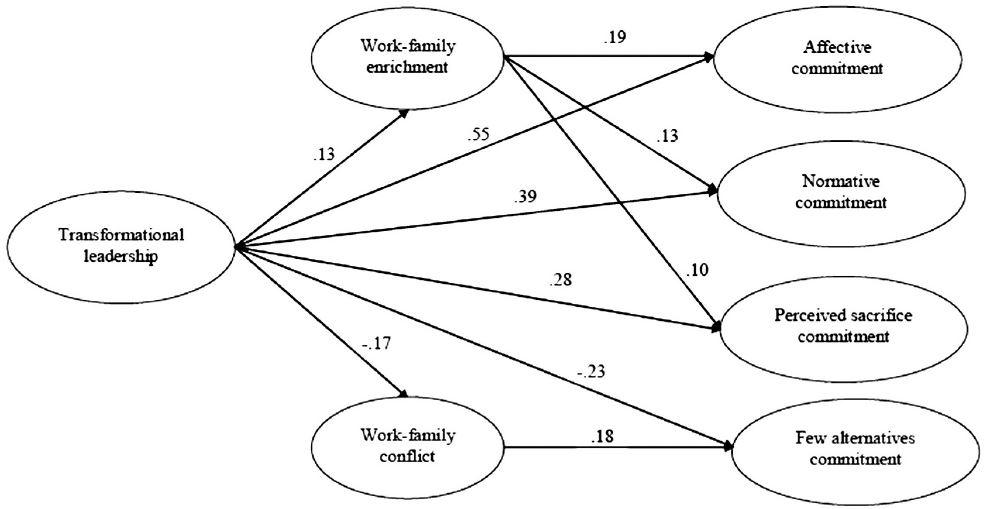
Figure 1. Results from the Structural Equation Analysis. All relationships are significant (p < .05).
38 A bootstrapping approach (Preacher & Hayes, 2008) was used to confirm the mediating role of work-family conflict and enrichment in the relationship between transformational leadership and commitment components. Bootstrapping is a statistical method that randomly constructs a number of resamples of the original sample in order to estimate parameters. In the present study, the 95 % and 99 % confidence intervals (CIs) of the indirect effects were obtained with 1,000 bootstrapped resamples. These analyses revealed that the indirect effects of transformational leadership on affective, normative, and perceived sacrifice commitment through work-family enrichment were all significant and positive: .03 (CI = .00, .05, p < .01) for affective commitment, .02 (CI = .00, .06, p < .01) for normative commitment, and .01 (CI = .00, .04, p < .05) for perceived sacrifice commitment. Hypothesis 3a is thus supported. Bootstrap analyses also revealed that the indirect effect of transformational leadership on few alternatives commitment through work-family conflict was significantly negative: -.03 (CI = -.07, -.01, p < .01). The latter result is consistent with Hypothesis 3b.
IV. Discussion
39 This study examined work-family conflict and enrichment as mechanisms that partly explain the relationship of transformational leadership to affective, normative, perceived sacrifice, and few alternatives commitment. Findings indicate that work-family enrichment and work-family conflict act as mediators in some of these relationships but that residual relationships remained between transformational leadership and commitment components. These findings have theoretical and practical implications that are discussed below.
IV.1. Theoretical implications
40 First, transformational leadership was positively related to affective, normative, and perceived sacrifice commitment, and was negatively associated with few alternatives commitment. These results are in line with findings reported in past research (Jackson et al., 2013; Korek et al., 2010). The positive link between transformational leadership and affective commitment can be explained by the fact that transformational leaders create a compelling vision that facilitates employees’ identification with, and involvement in, the organization. Transformational leadership was also positively associated with normative commitment because transformational leaders value their subordinates and transcend their self-interests for the good of the organization, hence instill a sense of obligation (see Avolio & Bass, 2002). Moreover, the positive link between transformational leadership and perceived sacrifice commitment makes sense as transformational leaders build work environments that are perceived as resourceful by followers. If these employees were deciding to leave the organization, it is likely that they would experience a sense of loss. Finally, transformational leadership was negatively related to few alternatives commitment. In effect, when followers work for a transformational leader, they have higher perceptions of their value on the labor market because such leadership likely enhances individuals’ self-confidence. Very few studies (for an exception, see Gillet & Vandenberghe, 2014) have examined the relationships between transformational leadership and the two components of continuance commitment, and the present research confirms that distinguishing among perceived sacrifice and few alternatives commitment is particularly important as the direction of the link with transformational leadership differed across these forms of continuance commitment. However, further investigation is needed to clarify which motivational mechanisms account for transformational leadership’s effect on perceived sacrifice and few alternatives commitment.
41 Second, transformational leadership was negatively related to work-family conflict and positively related to work-family enrichment. Although previous research on the links between employees’ perceptions of transformational leadership and work-home interaction has been quite limited (Munir et al., 2012), these findings are nonetheless consistent with emerging evidence in this area (e.g., Hammond et al., 2015; Zhang et al., 2012). More generally, the current study is one of the first to show that transformational leadership is significantly related to both work-family conflict and enrichment. These relationships may be explained by the fact that transformational leadership acts as a job resource (see Grzywacz et al., 2007; Gupta, Huang, & Yayla, 2011) because transformational leaders provide support to employees, respond to their personal needs, and enhance their well-being. These leaders are also able to enhance self-confidence among teammates and cooperation in the workplace (Avolio & Bass, 2002), thereby increasing workers’ ability to conciliate work and family demands (Grzywacz & Marks, 2000).
42 Third, work-family enrichment was positively associated with affective, normative, and perceived sacrifice commitment, while work-family conflict was positively related to few alternatives commitment. These results are consistent with past research suggesting positive linkages between work-family enrichment and affective and normative commitment (Allen et al., 2000; Odle-Dusseau et al., 2012). From a social exchange theory perspective (Cropanzano & Mitchell, 2005), employees enjoying work-family enrichment are inclined to return the favor through positive attitudes towards the organization such as affective commitment. Based on the norm of reciprocity (Gouldner, 1960), work-family enrichment illustrates positive treatment by the organization, hence leads to a sense of indebtedness (i.e., normative commitment). In addition, work-family enrichment was positively related to perceived sacrifice commitment, suggesting that it instills the perception that leaving the organization could be costly, hence reducing the willingness to seek employment in another organization (Mallol et al., 2007). Finally, work-family conflict acted as a potential stressor that increased the anxiety associated with finding employment in another organization (.i.e., few alternatives commitment) (Abraham, 1999). Overall, this study provides useful additions to the literature as it looked at the effects of work-family conflict and enrichment on four components of organizational commitment.
43 Finally, the present research contributes to increasing our understanding of the explanatory mechanisms through which transformational leadership relates to employees’ organizational commitment. Indeed, the relationships between transformational leadership and the four commitment components were partially mediated by work-family conflict and enrichment. On one hand, work-family enrichment mediates a positive relationship between transformational leadership and affective, normative, and perceived sacrifice commitment. Transformational leaders may come to increase work-family enrichment by focusing on the broader contributions of employees to the organization (rather than on the time spent at work), creating conditions that contribute to aligning workers’ identities and values with the goals and values of the organization, and helping followers to develop their competencies (Avolio & Bass, 2002). In doing so, these leaders would make employees’ jobs more meaningful and developmental, which should contribute to enriching employees’ lives in general. Ultimately, such work-family enrichment would foster the quality of the exchange relationship with the organization, leading to more affective commitment, but would also instill feelings of respect and loyalty and create a sense of indebtedness (i.e., normative commitment), as well as enhancing the perceived advantages/resources associated with organizational membership (i.e., perceived sacrifice commitment). It is thus likely that value alignment, autonomy building, and inspiring influence explain why work-family enrichment partly mediates the relationship of transformational leadership to affective, normative, and perceived sacrifice commitment.
44 On the other hand, work-family conflict partially mediated a negative relationship between transformational leadership and few alternatives commitment. Indeed, transformational leaders provide support to workers and can respond positively to their requests for accommodating their family obligations. In other words, these leaders are attentive to employees’ needs and try to maximize the compatibility of work and family demands. In this case, the participation in the work and family roles is easier and work-family conflict is lower (Greenhaus & Beutell, 1985). In addition, transformational leaders may help subordinates develop skills and abilities that facilitate resolving the conflicts between work and family demands. For example, being more skillful, subordinates would be able to meet job demands more efficiently, because they have resources to handle the demands of their jobs (Hobfoll, 2002), thereby freeing time for the family. The improvement of skills associated with reduced work-family conflict and its concomitant increase in self-confidence would lead subordinates to perceive more job opportunities, and hence would decrease few alternatives commitment (see Vandenberghe & Panaccio, 2012). In other words, it would instill a sense of confidence among followers in regard to their employability and reduce their perception that they would be unable to find alternative employment (i.e., few alternatives commitment).
45 More generally, the present results are in line with the positive effects of transformational leadership reported in past research (e.g., Walumbwa et al., 2005). Moreover, recent studies identified some of the psychological mechanisms that underlie the positive relationships between transformational leadership and affective and normative commitment (e.g., Chan & Mak, 2014; Kovjanic, Schuh, Jonas, Van Quaquebeke, & Van Dick, 2012). For instance, Kim and Kim (2015) demonstrated that procedural justice partially mediated the relationship between transformational leadership and affective commitment. Fernet, Trépanier, Austin, Gagné, and Forest (2015) also found a significant indirect relationship of transformational leadership to affective commitment through job resources and autonomous motivation.
46 The present findings extend past research in several important ways. First, numerous studies have examined the direct and indirect effects of transformational leadership on affective and normative commitment (see Jackson et al., 2013) but the relationship of transformational leadership to continuance commitment has received limited empirical attention. Second, the few studies that have investigated the psychological mechanisms through which transformational leaders may promote employees’ continuance commitment (e.g., Korek et al., 2010) did not distinguish between perceived sacrifice and few alternatives commitment. Finally, this study is an initial attempt at looking at the mediating role of work-family interaction between transformational leadership and four forms of organizational commitment.
IV.2. Practical implications
47 Our work highlights the value of decreasing the level of work-to-family conflict and enhancing work-family enrichment. One way of achieving this would be to encourage transformational leadership behaviors among supervisors. In addition, transformational leadership positively relates to positive forms of attachment to the organization (i.e., affective, normative, and perceived sacrifice commitment) and is negatively associated with negative commitment (i.e., few alternatives commitment). Meta-analytic reviews have also reported positive links of affective and normative commitment to well-being and job performance (e.g., Meyer et al., 2002), while past studies showed that perceived sacrifice and few alternatives commitment positively and negatively related to these outcomes, respectively (e.g., Landry & Vandenberghe, 2012). Finally, work-family conflict has been found to be positively associated with stress and burnout, and to be negatively related to work satisfaction and performance (e.g., Amstad, Meier, Fasel, Elfering, & Semmer, 2011), while work-family enrichment has been reported to relate positively to job satisfaction and physical/mental health (McNall et al., 2010). In light of this, the actions of transformational leaders appear to set the stage for employee well-being and performance through enacting positive forms of work-home interaction and commitment.
48 Practitioners and human resource specialists may work at building management development programs that encourage supervisors to exert trustful relationships with their teams, heighten subordinates’ sense of the collective interests, and help employees to achieve collective goals (Avolio & Bass, 2002). Importantly, managers can be trained at developing transformational leadership skills (e.g., Brown & May, 2012). For instance, in a quasi-experimental study conducted by Parry and Sinha (2005), transformational leadership behaviors were more frequent among individuals who followed a training program focusing on the development and learning of a variety of leadership skills including coaching, reflection upon experiences, self-analysis, and self-planning of leadership activities. In addition, followers’ extra effort and satisfaction with their leader were improved as a result of the training. More generally, organizations should be encouraged to develop leadership programs for their managers (see also Ladegard & Gjerde, 2014), particularly with a focus on how they can help subordinates manage the work-family interface (e.g., work schedules) and make the two worlds compatible and/or enriching. This may result in increases in positive forms of commitment.
49 However, some employees such as newcomers may react less positively to transformational leadership because they need more directive supervision regarding the job to be done, and hence could be more comfortable being supervised by transactional leaders. In addition, Anderson and Sun (2015) examined the possibility of a potential downside to leader encouragement if the leader exercises a transformational leadership style. Results revealed that leaders’ encouragement was less effective when the leader was seen as more transformational. More generally, while research has shown the positive effects of transformational leadership, there is a growing stream of research that demonstrates certain disadvantages associated with this style of leadership (e.g., Resick, Weingarden, Whitman, & Hiller, 2009; Tourish, 2013). Tourish (2014) also argued that transformational leadership behaviors are not appropriate in the current and future business context as power must be shared with followers. Future research identifying the moderating variables on the relationships between transformational leadership and work outcomes would appear in order.
IV.3. Limitations and future research
50 This study has several limitations that should be acknowledged. First, our data were cross-sectional, precluding any conclusions regarding causal processes. Longitudinal and experimental studies would be needed to replicate the present results and provide a better understanding of the dynamic relationships among our variables. Second, although transformational leadership has often been considered as a multidimensional construct, the literature has rarely examined the effects of the dimensions separately (van Knippenberg & Sitkin, 2013). Saboe, Taing, Way, and Johnson (2015) have recently shown that the mediating mechanism underlying the relationship between transformational leadership and outcome variables differed across leadership dimensions (i.e., providing support and emphasizing group goals). Therefore, future research would benefit from testing relationships between specific dimensions of transformational leadership (i.e., idealized influence, inspirational motivation, intellectual stimulation, and individualized consideration; see Avolio & Bass, 2002), work-family interaction, and organizational commitment.
51 Third, we only assessed one leadership style (i.e., transformational leadership). Future research should examine the impact of other leadership styles (e.g., management by exception, laissez-faire leadership) on work-family interaction and organizational commitment. Fourth, as our measure of transformational leadership was in the eye of the beholder (i.e., employees), future research might benefit from combining both leaders’ and employees’ perspectives in order to develop more valid representations of leader behaviors. This method is used in a number of studies (e.g., van der Kam, van der Vegt, Janssen, & Stoker, 2015) to minimize the possible biases associated with common method variance. Fifth, it would be interesting in the future to investigate other mediators besides work-family interaction (e.g., job crafting, need for recovery, leadership effectiveness) to explain the positive effects of transformational leadership. Sixth, we did not look at the determinants of leadership behaviors. It would be worth doing so as this would help determine how such leadership can be developed. For example, trait affectivity, cognitive abilities, and personality are potential antecedents of transformational leadership. Finally, although organizational culture and structural characteristics similarly relate to organizational commitment across countries (e.g., Meyer et al., 2012), it would be interesting to determine if work-home interaction similarly acts as a universal mediator between transformational leadership and commitment.
V. Conclusion
52 We examined (a) the links between transformational leadership, work-family interaction (i.e., conflict and enrichment), and four forms of organizational commitment (i.e., affective, normative, perceived sacrifice, and few alternatives commitment), and (b) whether work-family interaction mediated the transformational leadership-commitment relationships. Results revealed that work-family conflict and enrichment partly explain the relationship between transformational leadership and employee commitment. We hope the present findings will incite researchers to further probe into the mechanisms through which transformational leaders influence employee behaviors in the workplace.
References
- Abraham, R. (1999). The impact of emotional dissonance on organizational commitment and intention to turnover. The Journal of Psychology: Interdisciplinary and Applied, 133, 441-455.
- Allen, N. J., & Meyer, J. P. (1996). Affective, continuance, and normative commitment to the organization: An examination of construct validity. Journal of Vocational Behavior, 49, 252-276.
- Allen, T. D., Herst, D. E. L., Bruck, C. S., & Sutton, M. (2000). Consequences associated with work-to-family conflict: A review and agenda for future research. Journal of Occupational Health Psychology, 5, 278-308.
- Allen, T. D., Johnson, R. C., Saboe, K. N., Cho, E., Dumani, S., & Evans, S. (2012). Dispositional variables and work–family conflict: A meta-analysis. Journal of Vocational Behavior, 80, 17-26.
- Amstad, F. T., Meier, L. L., Fasel, U., Elfering, A., & Semmer, N. K. (2011). A meta-analysis of work–family conflict and various outcomes with a special emphasis on cross-domain versus matching-domain relations. Journal of Occupational Health Psychology, 16, 151-169.
- Anderson, M. H., & Sun, P. Y. T. (2015). The downside of transformational leadership when encouraging followers to network. The Leadership Quarterly, 26, 790-801.
- Arnold, K. A., Connelly, C. E., Walsh, M. M., & Martin Ginis, K. A. (in press). Leadership styles, emotion regulation, and burnout. Journal of Occupational Health Psychology.
- Arnold, K. A., Turner, N., Barling, J., Kelloway, E. K., & McKee, M. C. (2007). Transformational leadership and psychological well-being: The mediating role of meaningful work. Journal of Occupational Health Psychology, 12, 193-203.
- Avolio, B. J., & Bass, B. M. (2002). Developing potential across a full range of leadership: Cases on transactional and transformational leadership. Mahwah, NJ: Lawrence Erlbaum Associates.
- Avolio, B. J., Zhu, W., Koh, W., & Bhatia, P. (2004). Transformational leadership and organizational commitment: Mediating role of psychological empowerment and moderating role of structural distance. Journal of Organizational Behavior, 25, 951-968.
- Baruch, G. K., & Barnett, R. (1986). Role quality, multiple role involvement, and psychological well-being in midlife women. Journal of Personality and Social Psychology, 51, 578-585.
- Bass B. M. (1985). Leadership: Good, better, best. Organizational Dynamics, 13, 26-40.
- Battistelli, A., Galletta, M., Portoghese, I., Pohl, S., & Odoardi, C. (2013). Promoting organizational citizenship behaviors: The mediating role of intrinsic work motivation. Le Travail Humain, 76, 205-226.
- Bentein, K., Vandenberghe, C., Vandenberg, R., & Stinglhamber, F. (2005). The role of change in the relationship between commitment and turnover: A latent growth modeling approach. Journal of Applied Psychology, 90, 468-482.
- Brown, W., & May, D. (2012). Organizational change and development: The efficacy of transformational leadership training. Journal of Management Development, 31, 520-536.
- Bycio, P., Hackett, R. D., & Allen, J. S. (1995). Further assessment of Bass’s conceptualization of transactional and transformational leadership. Journal of Applied Psychology, 80, 468-478.
- Carless, S. A., Wearing, A. J., & Mann, L. (2000). A short measure of transformational leadership. Journal of Business and Psychology, 14, 389-405.
- Carlson, D. S., Kacmar, K. M., Wayne, J. H., & Grzywacz, J. G. (2006). Measuring the positive side of the work-family interface: Development and validation of a work-family enrichment scale. Journal of Vocational Behavior, 68, 131-164.
- Casper, W. J., Harris, C., Taylor-Bianco, A., & Wayne, J. H. (2011). Work–family conflict, perceived supervisor support and organizational commitment among Brazilian professionals. Journal of Vocational Behavior, 79, 640-652.
- Chan, S. C. H., & Mak, W. M. (2014). Transformational leadership, pride in being a follower of the leader and organizational commitment. Leadership & Organization Development Journal, 35, 674-690.
- Chuang, A., Judge, T. A., & Liaw, Y. J. (2012). Transformational leadership and customer service: A moderated mediation model of negative affectivity and emotion regulation. European Journal of Work and Organizational Psychology, 21, 28-56.
- Cropanzano, R., & Mitchell, M. S. (2005). Social exchange theory: An interdisciplinary review. Journal of Management, 31, 874-900.
- Crossley, C. D., Bennett, R. J., Jex, S. M., & Burnfield, J. L. (2007). Development of a global measure of job embeddedness and integration into a traditional model of voluntary turnover. Journal of Applied Psychology, 92, 1031-1042.
- Desrumaux, P., Leoni, V., Bernaud, J.-L., & Defrancq, C. (2012). Les comportements pro- et antisociaux au travail: Une recherche exploratoire testant deux échelles de mesure et leurs liens avec des inducteurs organisationnels et individuels. Le Travail Humain, 75, 55-87.
- Felfe, J., Yan, W., & Six, B. (2008). The impact of individual collectivism on commitment and its influence on organizational citizenship behaviour and turnover in three countries. International Journal of Cross Cultural Management, 8, 211-237.
- Fernet, C., Trépanier, S.-G., Austin, S., Gagné, M., & Forest, J. (2015). Transformational leadership and optimal functioning at work: On the mediating role of employees’ perceived job characteristics and motivation. Work & Stress, 29, 11-31.
- Friedman, S. D., & Greenhaus, J. H. (2000). Allies or enemies? What happens when business professionals confront life choices. New York, NY: Oxford University Press.
- Gillet, N., & Vandenberghe, C. (2014). Transformational leadership and organizational commitment: The mediating role of job characteristics. Human Resource Development Quarterly, 25, 321-347.
- Goode, W. J. (1960). A theory of role strain. American Sociological Review, 25, 483-496.
- Gouldner, A.W. (1960). The norm of reciprocity: A preliminary statement. American Sociological Review, 25, 161-178.
- Greenhaus, J. H., & Beutell, N. J. (1985). Sources and conflict between work and family roles. The Academy of Management Review, 10, 76-88.
- Greenhaus, J. H., & Powell, G. N. (2006). When work and family are allies: A theory of work-family enrichment. The Academy of Management Review, 31, 72-92.
- Grzywacz, J. G., & Marks, N. F. (2000). Reconceptualizing the work–family interface: An ecological perspective on the correlates of positive and negative spillover between work and family. Journal of Occupational Health Psychology, 5, 111-126.
- Grzywacz, J. G., Carlson, D. S., Kacmar, K. M., & Wayne, J. H. (2007). A multi-level perspective on the synergies between work and family. Journal of Occupational and Organizational Psychology, 80, 559-574. d
- Gupta, V. K., Huang, R., & Yayla, A. A. (2011). Social capital, collective transformational leadership, and performance: A resource-based view of self-managed teams. Journal of Managerial Issues, 23, 31-45.
- Hammond, M., Cleveland, J. N., O’Neill, J. W., Stawski, R. S., & Tate, A. J. (2015). Mediators of transformational leadership and the work-family relationship. Journal of Managerial Psychology, 30, 454-469.
- Hobfoll, S. E. (2001). The influence of culture, community, and the nested self in the stress process: Advancing conservation of resources theory. Applied Psychology: An International Review, 50, 337-370.
- Hobfoll, S. E. (2002). Social and psychological resources and adaptation. Review of General Psychology, 6, 307-324.
- Hobfoll, S. E., & Leiberman, J. R. (1987). Personality and social resources in immediate and continued stress-resistance among women. Journal of Personality and Social Psychology, 52, 18-26.
- Jackson, T. A., Meyer, J. P., & Wang, X.-H. (2013). Leadership, commitment, and culture: A meta-analysis. Journal of Leadership & Organizational Studies, 20, 84-106.
- Joo, B.-K., Yoon, H. J., & Jeung, C.-W. (2012). The effects of core self-evaluations and transformational leadership on organizational commitment. Leadership & Organization Development Journal, 33, 564-582.
- Kim, H., & Kim, J. (2015). A cross-level study of transformational leadership and organizational affective commitment in the Korean Local Governments: Mediating role of procedural justice and moderating role of culture types based on competing values framework. Leadership, 11, 158-185.
- Korek, S., Felfe, J., & Zaepernick-Rothe (2010). Transformational leadership and commitment: A multilevel analysis of group-level influences and mediating processes. European Journal of Work and Organizational Psychology, 19, 364-387.
- Kovjanic, S., Schuh, S. C., Jonas, K., Quaquebeke, N. V., & Van Dick, R. (2012). How do transformational leaders foster positive employee outcomes? A self-determination-based analysis of employees’ needs as mediating links TFL and basic need satisfaction. Journal of Organizational Behavior, 33, 1031-1052.
- Ladegard, G., & Gjerde, S. (2014). Leadership coaching, leader role-efficacy, and trust in subordinates. A mixed methods study assessing leadership coaching as a leadership development tool. The Leadership Quarterly, 25, 631-646.
- Lambert, E. G., Kelley, T., & Hogan, N. L. (2013). The association of occupational stressors with different forms of organizational commitment among correctional staff. American Journal of Criminal Justice, 38, 480-501.
- Landry, G., & Vandenberghe, C. (2012). Relational commitments in employee-supervisor dyads and employee job performance. The Leadership Quarterly, 23, 293-308.
- Lapointe, É., Vandenberghe, C., & Boudrias, J.-S. (2013). Psychological contract breach, affective commitment to organization and supervisor, and newcomer adjustment: A three-wave moderated mediation model. Journal of Vocational Behavior, 83, 528-538.
- Lourel, M., Ford, M. T., Gamassou, C. E., Guéguen, N., & Hartmann, A. (2009). Negative and positive spillover between work and home: Relationship to perceived stress and job satisfaction. Journal of Managerial Psychology, 24, 438-449.
- Lourel, M., Gana, K., & Wawrzyniak, S. (2005). L’interface « vie privée-vie au travail » : Adaptation et validation française de l’échelle SWING (Survey Work-home Interaction-Nijmegen), Psychologie du Travail et des Organisations, 11, 227-239.
- Mallol, C. M., Holtom, B. C., & Lee, T. W. (2007). Job embeddedness in a culturally diverse environment. Journal of Business and Psychology, 22, 35-44.
- Marks, S. R. (1977). Multiple roles and role strain. American Sociological Review, 42, 921-936.
- McGee, G. W., & Ford, R. C. (1987). Two (or more?) dimensions of organizational commitment: Reexamination of the affective and continuance commitment scales. Journal of Applied Psychology, 72, 638-641.
- McNall, L. A., Nicklin, J. M., & Masuda, A. D. (2010). A meta-analytic review of the consequences associated with work–family enrichment. Journal of Business and Psychology, 25, 381-396.
- Meyer, J. P., & Allen, N. J. (1991). A three-component conceptualization of organizational commitment. Human Resource Management Review, 1, 61-89.
- Meyer, J. P., Stanley, D. J., Herscovitch, L., & Topolnytsky, L. (2002). Affective, continuance, and normative commitment to the organization: A meta-analysis of antecedents, correlates, and consequences. Journal of Vocational Behavior, 61, 20-52.
- Meyer, J. P., Stanley, D. J., Jackson, T. A., McInnis, K. J., Maltin, E. R., & Sheppard, L. (2012). Affective, normative, and continuance commitment levels across cultures: A meta-analysis. Journal of Vocational Behavior, 80, 225-245.
- Michel, J. S., Kotrba, L. M., Mitchelson, J. K., Clark, M. A., & Baltes, B. B. (2011). Antecedents of work–family conflict: A meta-analytic review. Journal of Organizational Behavior, 32, 689-725.
- Moen, P., & Sweet, S. (2002). Two careers, one employer: Couples working for the same corporation. Journal of Vocational Behavior, 61, 466-483.
- Munir, F., Nielsen, K., Garde, A. H., Albertsen, K., & Carneiro, I. G. (2012). Mediating the effects of work–life conflict between transformational leadership and health-care workers’ job satisfaction and psychological wellbeing. Journal of Nursing Management, 20, 512-521.
- Nielsen, K., & Daniels, K. (2012). Does shared and differentiated transformational leadership predict followers’ working conditions and well-being? The Leadership Quarterly, 23, 383-397.
- Odle-Dusseau, H. N., Britt, T. W., & Greene-Shortridge, T. M. (2012). Organizational work-family resources as predictors of job performance and attitudes: The process of work-family conflict and enrichment. Journal of Occupational Health Psychology, 17, 28-40.
- Parry, K. W., & Sinha, P. (2005). Researching the trainability of transformational organisational leadership. Human Resource Development International, 8, 165-183.
- Peterson, S. J., Walumbwa, F. O., Byron, K., & Myrowitz, J. (2009). CEO positive psychological traits, transformational leadership, and firm performance in high-technology start-up and established firms. Journal of Management, 35, 348-368.
- Podsakoff, P. M., MacKenzie, S. B., Lee, J.-Y., & Podsakoff, N. P. (2003). Common method biases in behavioral research: A critical review of the literature and recommended remedies. Journal of Applied Psychology, 88, 879-903.
- Preacher, K. J., & Hayes, A. F. (2008). Asymptotic and resampling strategies for assessing and comparing indirect effects in multiple mediator models. Behavior Research Methods, 40, 879-891.
- Radcliffe, L. S., & Cassell, C. (2015). Flexible working, work–family conflict, and maternal gatekeeping: The daily experiences of dual-earner couples. Journal of Occupational and Organizational Psychology, 88, 835-855.
- Rafferty, A. E., & Griffin, M. A. (2004). Dimensions of transformational leadership: Conceptual and empirical extensions. The Leadership Quarterly, 15, 329-354.
- Resick, C. J., Weingarden, S. M., Whitman, D. S., & Hiller, N. J. (2009). The bright-side and dark-side of CEO personality: Examining core self-evaluations, narcissism, transformational leadership, and strategic influence. Journal of Applied Psychology, 94, 1365-1381.
- Saboe, K.N., Taing, M.U., Way, J.D., & Johnson, R.E. (2015). Examining the unique mediators that underlie effects of different dimensions of transformational leadership. Journal of Leadership & Organizational Studies, 22, 175-186.
- Streich, M., Casper, W. J., & Salvaggio, A. N. (2008). Examining couple agreement about work-family conflict. Journal of Managerial Psychology, 23, 252-272.
- Tansky, J. W., & Cohen, D. J. (2001). The relationship between organizational support, employee development, and organizational commitment: An empirical study. Human Resource Development Quarterly, 12, 285-300.
- Thoits, P. A. (1991). On merging identity theory and stress research. Social Psychology Quarterly, 54, 101-112.
- Thompson, C. A., & Prottas, D. J. (2006). Relationships among organizational family support, job autonomy, perceived control, and employee well-being. Journal of Occupational Health Psychology, 11, 100-118.
- Tourish, D. (2013). The dark side of transformational leadership: A critical perspective. London: Routledge.
- Tourish, D. (2014). Leadership, more or less? A processual, communication perspective on the role of agency in leadership theory. Leadership, 10, 79-98.
- Tse, H. H. M., Huang, X., & Lam, W. (2013). Why does transformational leadership matter for employee turnover? A multi-foci social exchange perspective. The Leadership Quarterly, 24, 763-776.
- Vandenberghe, C., & Panaccio, A. (2012). Perceived sacrifice and few alternatives commitments: The motivational underpinnings of continuance commitment’s subdimensions. Journal of Vocational Behavior, 81, 59-72.
- Vandenberghe, C., Panaccio, A., & Ben Ayed, A. K. (2011). Continuance commitment and turnover: Examining the moderating role of negative affectivity and risk aversion. Journal of Occupational and Organizational Psychology, 84, 403-424.
- van der Kam, N. A., van der Vegt, G. S., Janssen, O., & Stoker, J. I. (2015). Heroic or hubristic? A componential approach to the relationship between perceived transformational leadership and leader-member exchanges. European Journal of Work and Organizational Psychology, 24, 611-626,
- van Knippenberg, D., & Sitkin, S.B. (2013). A critical assessment of charismatic-transformational leadership research: Back to the drawing board? Academy of Management Annals, 7, 1-60.
- Voydanoff, P. (2002). Linkages between the work-family interface and work, family, and individual outcomes: An integrative model. Journal of Family Issues, 23, 138-164.
- Walumbwa, F. O., Christensen, A. L., & Muchiri, M. K. (2013). Transformational leadership and meaningful work. In B. J. Dik, Z. S. Byrne, & M. F. Steger (Eds.), Purpose and meaning in the workplace (pp. 197-215). Washington, DC: American Psychological Association.
- Walumbwa, F. O., Orwa, B., Wang, P., & Lawler, J. J. (2005). Transformational leadership, organizational commitment, and job satisfaction: A comparative study of Kenyan and U.S. financial firms. Human Resource Development Quarterly, 16, 235-256.
- Wang, P., & Walumbwa, F. O. (2007). Family-friendly programs, organizational commitment, and work withdrawal: The moderating role of transformational leadership. Personnel Psychology, 60, 397-427.
- Wayne, J. H., Randel, A. E., & Stevens, J. (2006). The role of identity and work-family support in work-family enrichment and its work-related consequences. Journal of Vocational Behavior, 69, 445-461.
- Wiener, Y. (1982). Commitment in organizations: A normative view. Academy of Management Review, 7, 418-428.
- Zhang, H., Kwan, H. K., Everett, A. M., & Jian, Z. (2012). Servant leadership, organizational identification, and work-to-family enrichment: The moderating role of work climate for sharing family concerns. Human Resource Management, 51, 747-767.
- Zhou, N., & Buehler, C. (in press). Family, employment, and individual resource-based antecedents of maternal work–family enrichment from infancy through middle childhood. Journal of Occupational Health Psychology.
Mots-clés éditeurs : attachement organisationnel, conflit travail-famille, enrichissement travail-famille, interaction travail-famille, leadership transformationnel
Date de mise en ligne : 04/01/2017
https://doi.org/10.3917/th.794.0339